Short answer: Around Kolkata’s port and river delta, the air is humid and often carries salt, so SS 316 is the safer grade for exposed outdoor, quayside and marine-facing fasteners. SS 304 remains a reasonable choice for sheltered, dry indoor locations in heavy engineering and process plants.
Why is the Kolkata environment hard on fasteners?
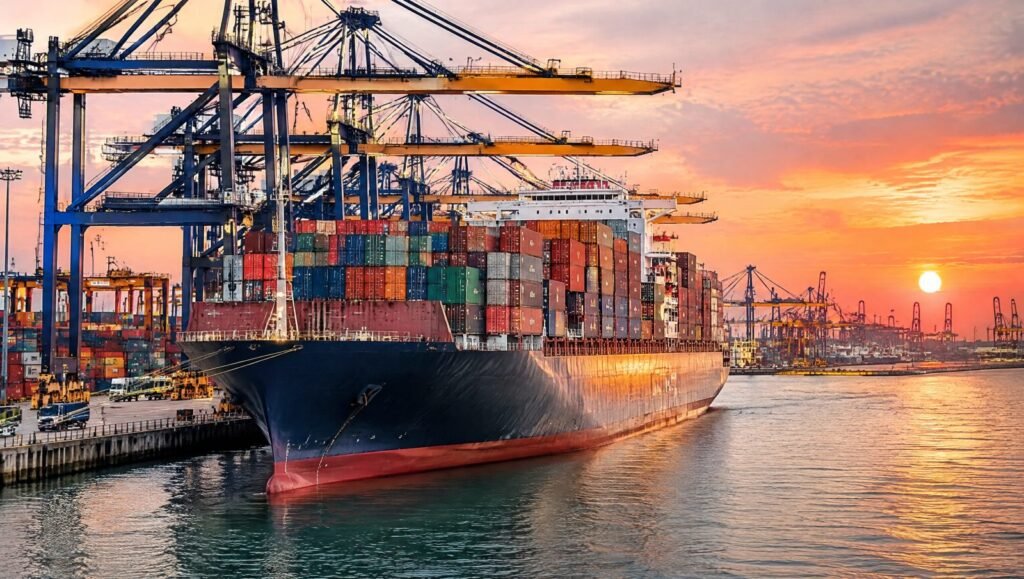
Kolkata sits in a humid river-delta region with a monsoon season and a working port. Moisture stays on surfaces for long periods, and in port and estuary areas the air can carry salt. Plain steel and plated fasteners rust quickly in these conditions. Stainless steel performs much better, but chlorides from salt can still cause pitting and crevice corrosion, particularly in grades that lack molybdenum. This is why the question is rarely just “stainless or not”, and more often “which stainless”.
Our Kolkata supply page describes how we support buyers in this region.
Is SS 304 enough, or should I choose SS 316?
| Location | Usual starting choice |
|---|---|
| Quayside, jetty and open-air port equipment | SS 316 |
| Outdoor structures near the river or coast | SS 316 |
| Sheltered indoor machinery and panels | SS 304 |
| Process plant areas with wet or chemical exposure | SS 316, after checking the chemical |
Read more about each grade on our SS 316 and SS 304 pages. SS 316 contains molybdenum, which improves resistance to chloride attack. It is not completely immune in warm, stagnant seawater or under deposits, so design and maintenance still matter. For fasteners in permanent splash zones, ask us about the exposure so a sensible recommendation can be made.
What marine-grade choices apply to port equipment?
Buyers often use the phrase “marine grade”, and in stainless fasteners that most commonly means SS 316. Our marine and offshore fasteners page covers the wider picture. For port cranes, conveyors, handrails, ladders, cable supports and mooring-area fittings, the practical rules are:
- Use SS 316 for bolts, nuts and washers in outdoor and splash-exposed positions.
- Keep the whole fastener set in the same grade, so there is no mixed-material pairing.
- Avoid contact between stainless fasteners and dissimilar metals without isolation, as moisture can set up galvanic corrosion in the weaker metal.
- Rinse and inspect exposed fasteners periodically; salt deposits left to dry can still cause trouble.
What do heavy engineering and process plants usually buy?
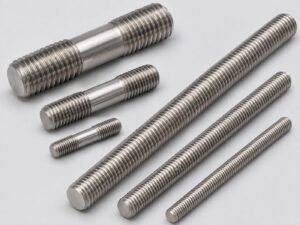
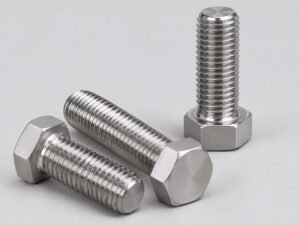
Heavy engineering and fabrication works need larger sizes for structural frames, support steel, covers, flanged joints and equipment mounting. Common items are SS hex bolts, SS hex nuts, large plain washers and SS studs and threaded rod for flange and anchor use.
Process plants should check the chemicals in contact with the fasteners. Strong acids and hot concentrated chloride solutions can attack stainless steel, including 316, so confirm compatibility before ordering. You can browse the full product range for sizes.
How do I order the right fasteners for a Kolkata site?
- Describe where the fasteners will sit: indoor, outdoor, quayside, wet area or process area.
- State size, length, thread and the standard, for example DIN, ISO or BS.
- Name the grade, or let us suggest one based on your description.
- Mention whether you need a material test certificate and export-grade packing.
For heavier assemblies, remember that stainless steel is generally less strong than high-tensile carbon or alloy steel in the same size, so confirm the property class your design calls for. See our standards and quality pages for more.
How do I keep fasteners lasting longer in humid conditions?
Grade choice is only part of the answer. Good practice in installation and upkeep extends service life in a humid, salt-bearing setting.
- Design joints so water drains away and does not sit under heads, washers or in tight gaps.
- Do not use carbon-steel tools on stainless fasteners, since embedded iron particles can leave rust marks on the surface.
- Use suitable lubricant on threads to reduce galling during tightening and later removal.
- Inspect fasteners during routine shutdowns, and replace any that show pitting, heavy staining or thread damage.
- Keep a stock list of fastener sizes per equipment type so that replacements match the original grade.
These steps cost little and often matter as much as moving from one grade to the next.
Frequently asked questions
Is SS 316 necessary near the Kolkata port?
For outdoor and salt-exposed positions it is the safer choice. SS 304 is usually fine for sheltered indoor equipment.
Does humidity alone damage SS 304?
General humidity is usually handled well by SS 304. Trouble starts when salt, chlorides or trapped moisture are present.
Can you supply special sizes for heavy engineering?
Yes. We make fasteners to drawing in SS 304, 316 and 202, in metric and inch sizes.
Can the fasteners be packed for shipment?
Yes. Export packing is available, and a material test certificate can be supplied on request.
Send us your drawing, grade and quantity details and we will respond with a proper offer. You can request a quote, call +91 89196 74214 or email ayrssnutbolt@gmail.com.