Short answer: Bengaluru machine-tool, aerospace-component, electronics and instrument makers usually need small-size stainless screws and fasteners with tight dimensional control and repeatable quality. Give a full drawing, grade, thread standard and tolerance class in your first enquiry, and repeat orders become simple to place and to check.
What do Bengaluru precision manufacturers typically need?
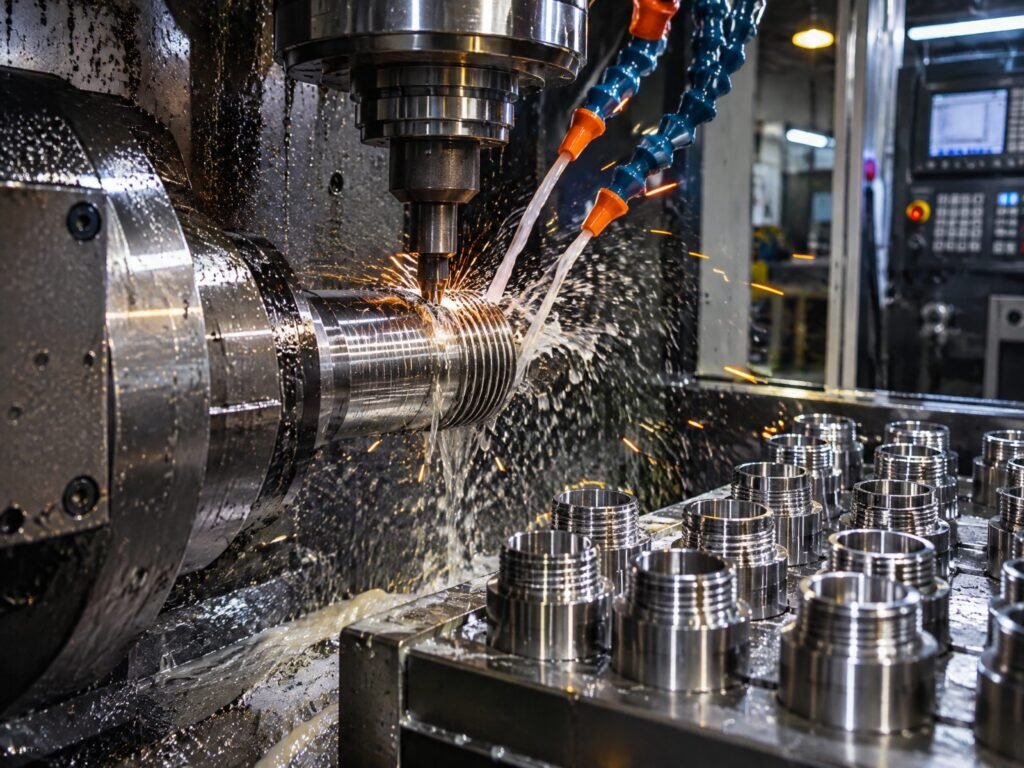
The mix of work in Bengaluru is different from heavy plant. Machine-tool builders use screws and studs for guards, covers, slideway fittings and coolant systems. Aerospace-component and instrument makers use small screws in assemblies where fit and consistency matter. Electronics enclosures, racks and test equipment use fine machine screws, nuts and washers where appearance and corrosion resistance are both important.
The common thread is small sizes, tidy finish and consistency from one batch to the next. Our Bengaluru supply page explains how we work with buyers in the city.
Which stainless grade suits small precision screws?
SS 304 is the common general-purpose choice for enclosures, instruments and machine covers because it resists corrosion well in normal indoor and workshop conditions. Choose SS 316 where coolant, cleaning chemicals, humid environments or chlorides are present, or where the equipment ships to coastal sites. SS 202 can suit light, cost-sensitive indoor use, but it resists corrosion less well than 304, so it is not a substitute where the environment is damp.
Also keep in mind that stainless fasteners are generally not as strong as high-tensile alloy steel fasteners of the same size. If a joint carries heavy load, check the required property class with your design engineer.
How should I specify tolerances and threads?
For small precision parts, vague descriptions cause rework. Include these points in your enquiry:
- Thread size and pitch: metric coarse or fine, or an inch series, for example M3 or a UNC equivalent.
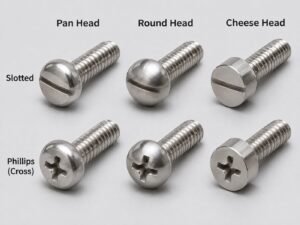
- Length and head style: pan, cheese, countersunk, socket cap or custom.
- Drive type: Phillips, slotted, hex socket or Torx-type.
- Tolerance class: the fit you require, for thread and for any shank or head dimensions.
- Standard: DIN, ISO or BS reference, matched against our standards list.
- Finish: plain, polished or any special requirement for appearance.
When parts are non-standard, a dimensioned drawing is far better than a sample alone, though both help. Our custom fasteners service covers made-to-order work from drawings.
How do drawing-based repeat orders work best?
If you buy the same part every month or every quarter, build a short specification sheet once and reuse it. It should name the drawing number and revision, grade, standard, finish, inspection requirements and whether a material test certificate is needed. Quoting the same reference each time reduces errors and makes it easy to compare a new batch with an earlier one.
- Keep one master drawing per part and update the revision when anything changes.
- Tell us what to measure for acceptance, such as thread gauge fit or critical lengths.
- Keep a retained sample from an approved batch for comparison.
- Ask for the material test certificate when traceability is needed.
Read how we handle checks on our quality page.
Which standard parts can I buy without a custom drawing?
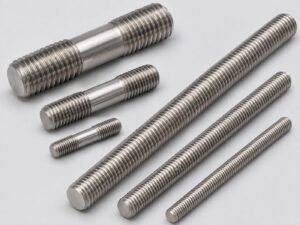
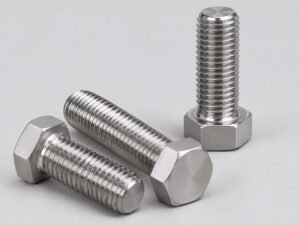
Many needs are met by standard catalogue items: machine screws, socket head cap screws, SS hex bolts, SS hex nuts, washers and studs in common metric and inch sizes. Check the full product range first. Moving to a custom part only makes sense when a standard item cannot meet the fit, length or head style you need.
What mistakes should small-part buyers avoid?
Small stainless fasteners are easy to get wrong because the differences are subtle. A few common mistakes are worth avoiding when you set up a new part.
- Mixing metric and inch threads in the same assembly, especially on imported instruments.
- Ignoring head height where the screw sits in a counterbore or under a cover.
- Over-tightening small stainless screws, which can strip threads or snap the head because the material is softer than alloy steel.
- Assuming magnetic behaviour: austenitic grades such as 304 and 316 are largely non-magnetic, but cold working can leave a slight magnetic response. If your instrument is sensitive to this, mention it in the enquiry.
Stating the application plainly, for example “enclosure screw for a sealed electronics unit” or “coolant-side cover screw”, helps us suggest a suitable grade and finish.
Frequently asked questions
Can you make very small screws to drawing?
We make fasteners to drawing in SS 304, 316 and 202. Send the dimensions, tolerance and quantity needed, and we will confirm what can be produced.
Which grade is best for electronics enclosures?
SS 304 is the usual choice for indoor enclosures. Use SS 316 if the equipment faces humidity, cleaning chemicals or coastal conditions.
Do you supply to DIN and ISO standards?
Yes. We supply to DIN, ISO and BS standards in metric and inch sizes.
Can I place the same order again later?
Yes. Quote the earlier drawing number and specification so the repeat order matches the previous one.
Send us your drawing, grade and quantity details and we will respond with a proper offer. You can request a quote, call +91 89196 74214 or email ayrssnutbolt@gmail.com.