
Short answer: For pharmaceutical and bulk-drug plants in Hyderabad, use SS 316 fasteners wherever the fastener touches the process, cleaning chemicals or washdown, and SS 304 for dry structural and utility areas. For engineering and defence-related work, the drawing and material test certificate usually decide the grade and size, so state both in your enquiry.
Which areas of a pharma plant need SS 316 fasteners?
Bulk-drug and formulation plants use solvents, acids, chloride-bearing cleaning agents and frequent wet cleaning. A fastener that is in the product zone, on a reactor or vessel flange, on a clean-process skid or in a washdown room is exposed to more than plain humidity. SS 316 contains molybdenum, which gives better resistance to chlorides and many chemicals than SS 304, so it is the usual choice for process-contact and wet-cleaned positions.
For dry zones such as structural frames, cable trays, electrical panels, ducting supports and utility rooms, SS 304 is normally sufficient and keeps the bill of materials sensible. Our page on food and pharmaceutical fasteners explains the general approach, and our Hyderabad supply page covers how we serve buyers in the city.
How should I decide between SS 304 and SS 316?
| Location | Usual starting choice |
|---|---|
| Reactor, vessel and pipeline flanges | SS 316 |
| Clean-process skids and washdown rooms | SS 316 |
| Dry equipment frames, guards, supports | SS 304 |
| Utility, HVAC and panel areas | SS 304 |
This is a starting point only. Some hot, concentrated acids and chloride-rich liquids can attack even SS 316, so check the actual chemicals with your process or validation team. If you are unsure, tell us the medium and temperature and we can discuss the options.
Does surface finish matter on pharma fasteners?
Yes. In clean-process areas, a smooth surface is easier to wipe down and gives dirt and residue fewer places to hold. Rough threads, burrs and deep crevices under heads are common trouble spots. When you enquire, mention whether you need a plain finish, a smoother polished finish, or simply a clean, burr-free standard part. Also think about design: acorn or dome nuts, washers under heads and sealing arrangements can matter more to cleanability than the fastener grade alone.
Finish and passivation requirements differ between customers, so quote the specification in your own documents rather than assuming a default.
What do engineering and defence-related buyers need to specify?
Hyderabad also has a large base of precision engineering, fabrication and defence-related manufacturing. These buyers typically work from drawings and approved vendor requirements, so the enquiry should include:
- Grade and standard: for example SS 304 or SS 316 to DIN, ISO or BS dimensions, as listed on our standards page.
- Size and thread: metric or inch, diameter, length, pitch and tolerance class.
- Property class: strength marking required for the application.
- Documentation: material test certificate, which we can provide on request.
- Special features: cross-drilled heads, special lengths, non-standard threads, which we make to drawing.
Our quality page explains the checks we apply. If your assembly needs traceability back to the material heat, say so at the start so the right paperwork is arranged.
Which fastener types do process and engineering plants buy most?
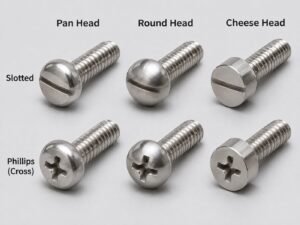
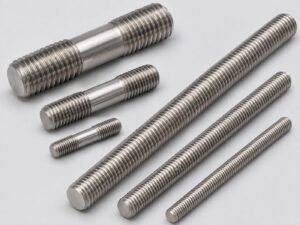
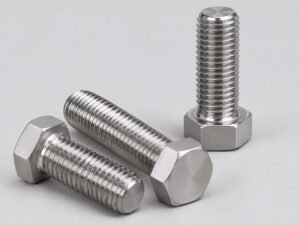
Common requirements include SS hex bolts, hex nuts, plain and spring washers, socket and countersunk screws, and SS studs for flanged joints and pressure-part connections. Browse the full product range to see the available types and sizes in metric and inch.
One practical tip: stainless nuts and bolts of the same family can seize or gall when tightened dry. Use a suitable lubricant or anti-seize compound as approved for your process, and avoid over-tightening at assembly.
What checks should I make before placing an order?
Before you confirm a pharma or engineering order, run through a short checklist with your purchase and quality teams. Confirm the grade for each location, the standard and dimensions, the finish, and the paperwork the audit trail needs. Where parts are replaced during shutdowns, agree the quantity of spares to hold so that matching fasteners are available at the next maintenance window.
- Is the grade correct for the medium, temperature and cleaning method at each joint?
- Are bolt, nut and washer all in the same grade?
- Do threads and heads match the mating equipment, metric or inch?
- Is the certificate requirement clear, including which heat or batch it covers?
- Is the packing suitable for clean storage until use?
Doing this once per equipment type saves repeated queries later and keeps documentation consistent across projects.
Frequently asked questions
Is SS 316 always required in pharma plants?
No. It is mainly for process-contact, wet-cleaned and chemically exposed positions. Dry structural and utility areas often work well with SS 304.
Can you make fasteners to our drawing?
Yes. We make fasteners to drawing in SS 304, 316 and 202, including special lengths, threads and head styles.
Can I get a material test certificate?
A material test certificate is available on request. Mention it in the enquiry so it can be arranged with the order.
Do you supply inch-size fasteners?
Yes, we supply both metric and inch sizes, to DIN, ISO and BS standards.
Send us your drawing, grade and quantity details and we will respond with a proper offer. You can request a quote, call +91 89196 74214 or email ayrssnutbolt@gmail.com.