Short answer: For submerged, splash-zone and chemically dosed areas of water and wastewater plants, SS 316 is generally preferred over SS 304 because of its better resistance to chlorides. SS 304 can still serve in dry, covered or low-chloride locations. Confirm the grade against the actual water chemistry and chemicals used on your site.
Why is water treatment hard on fasteners?
Treatment plants combine constant moisture with chemicals. Raw water and effluent can carry chlorides, sulphides and organic matter. Disinfection systems may use chlorine or hypochlorite, and dosing areas can be acidic or alkaline. Fasteners also sit in crevices under flanges, brackets and washers, where stagnant water collects and oxygen is limited. Crevice corrosion and pitting are the usual failure modes in stainless steel, not general rusting.
Splash zones, where fasteners are alternately wet and dry, are often worse than full immersion because salts concentrate as water evaporates. Plan inspection for these areas first.
Is SS 316 required for submerged and splash-zone bolting?
In most municipal and industrial water applications, SS 316 is the sensible starting point. Molybdenum in the alloy improves resistance to pitting and crevice attack compared with SS 304. See our SS 316 fasteners page for more details.
| Location | Usual starting choice |
|---|---|
| Covered, dry walkways and guards | SS 304 |
| Clean water, low chloride, submerged | SS 304 or SS 316, depending on water chemistry |
| Splash zones, tanks, channels, effluent | SS 316 |
| Chlorine, hypochlorite or acid dosing areas | SS 316, after checking the chemical and concentration |
Be careful with strong chlorinated environments. Warm, concentrated chlorine solutions and high chloride levels can attack even SS 316, so the chemical supplier or process engineer should confirm suitability. Our chemical and process page covers the harsher end of this range, and our water and wastewater industry page outlines what we supply for plants.
Which fasteners are used for anchors, flanges and equipment?
Typical requirements include:
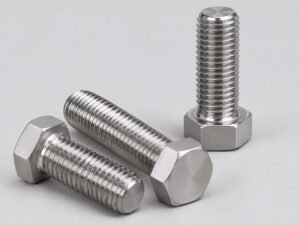
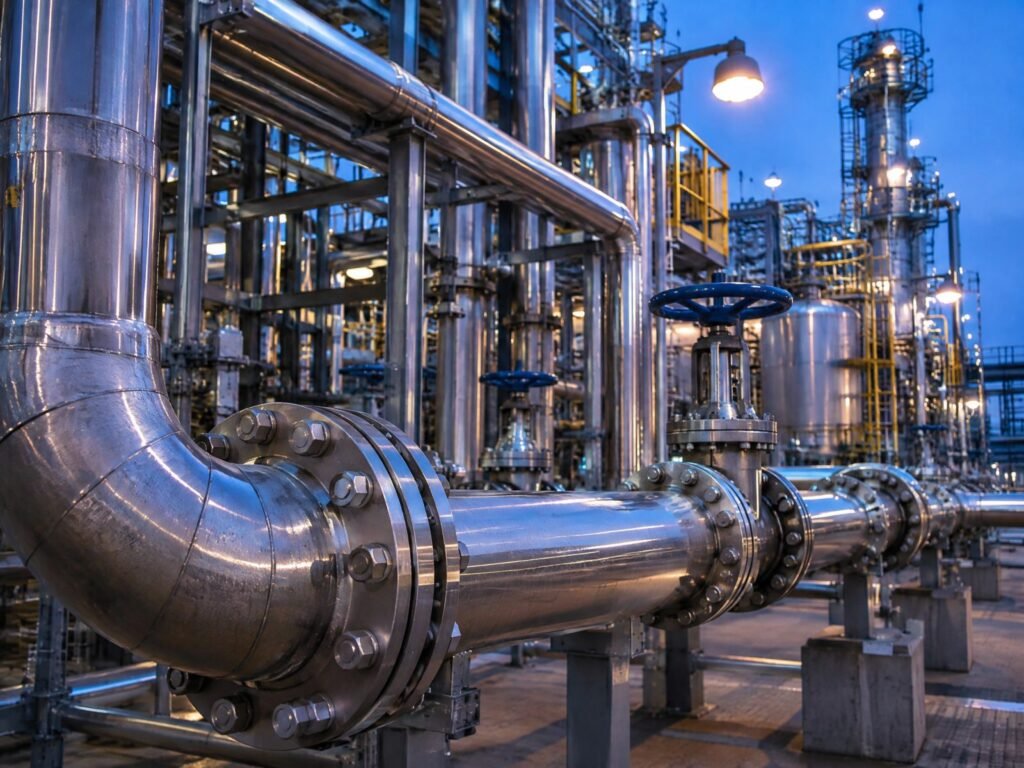
- Flange bolting on pipework, pumps and valves, using hex bolts and hex nuts or studs with two nuts.
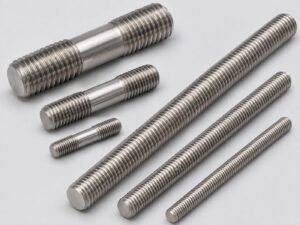
- Anchor bolts and threaded rod for fixing equipment, walkways, handrails and supports to concrete.
- Washers to spread load on gaskets and thin plate.
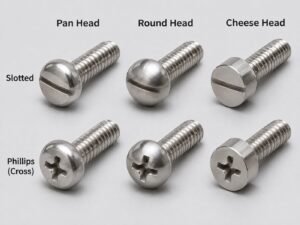
- Screws for covers, instruments and panels.
Dimensions and strength must match the pipe class, gasket and project drawings. Where a standard size does not suit an existing flange or machine, we can make to drawing through custom fasteners. The full product range lists the sizes we supply.
How do I make bolted joints last longer?
Grade choice is only part of the answer. These habits help joints survive wet service:
- Use the same grade for bolt, nut and washer so one component does not corrode the others.
- Avoid crevices. Use correct washers and sealing, and keep joints drained where possible.
- Prevent galling. Stainless threads can seize during tightening; see how to prevent galling in stainless steel fasteners.
- Watch dissimilar metals. Contact with carbon steel or cast iron in wet conditions can corrode the less noble metal.
- Inspect and record. Check splash-zone and dosing-area bolting at planned shutdowns and replace any showing pitting, rust staining or thread damage.
What documents should I ask for?
For publicly funded or contract-driven projects, ask for material test certificates matching the heat or lot supplied. We provide them on request; see our quality page and standards references. Give your supplier the grade, standard, size and finish in writing to avoid mix-ups between SS 304 and SS 316.
Can I standardise on one grade across the whole plant?
Many plants choose SS 316 for every wet or outdoor fastener to simplify purchasing and avoid mix-ups on site, and reserve SS 304 for clearly dry and covered locations. The trade-off is cost against risk, and only you can weigh it for your plant. If you do use both grades, mark storage bins clearly, keep certificates with each lot and brief the maintenance team. A wrong-grade bolt in a chlorinated channel is easy to install and hard to spot until it fails. Written fastener schedules attached to the maintenance plan are a simple way to keep the right grade in the right place for the life of the plant.
Frequently asked questions
Can I use SS 304 in a wastewater plant?
In dry or covered areas, often yes. In wet, chloride-bearing or chemically dosed areas, SS 316 is generally the safer choice. Check with your design engineer.
Does SS 316 never corrode in water?
No. It resists many waters well, but high chlorides, high temperature, stagnant crevices and strong oxidizing chemicals can still cause pitting. Good detailing and maintenance remain important.
Do you make threaded rod and anchor bolts to length?
Yes. We supply studs and threaded rod, and can cut or make to drawing in metric and inch sizes.
Can I mix SS 316 bolts with SS 304 nuts?
It is better to keep the set in the same grade. Mixed grades complicate traceability and the weaker grade can limit the joint’s corrosion resistance.
Planning an upgrade or new plant package? Request a quote with your size list and service conditions, or call +91 89196 74214 or email ayrssnutbolt@gmail.com.