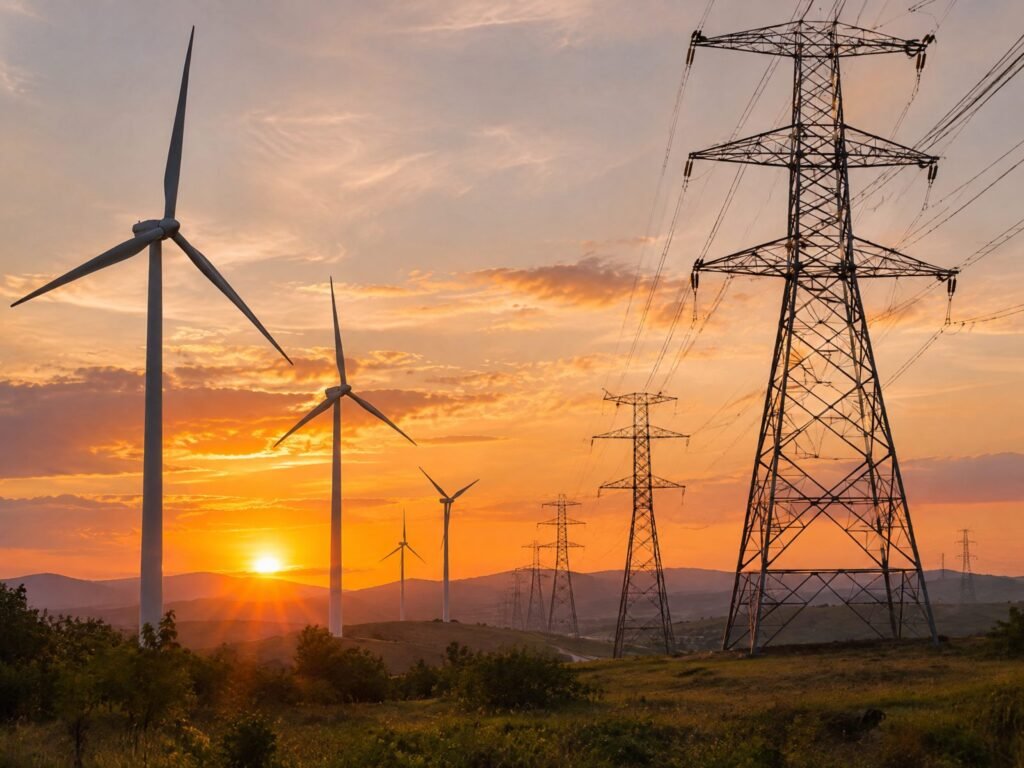
Short answer: For solar mounting structures and wind or power installations, SS 304 suits many inland sites, while SS 316 is the more cautious choice near the coast or in aggressive air. These projects are designed for long outdoor lives, so fastener grade, torque practice and galling prevention matter as much as price.
What fasteners do solar and wind projects use?
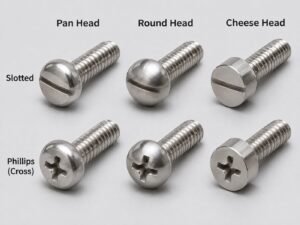
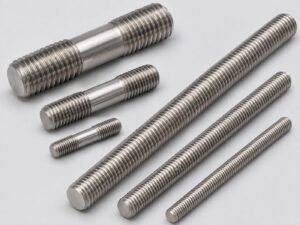
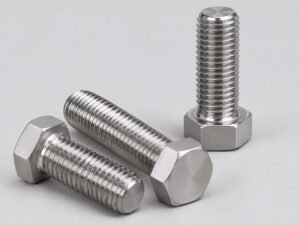
Solar mounting structures use bolts, nuts, washers and screws to join rails, purlins, clamps, brackets and foundations. Ground-mount systems also use anchor bolts and threaded rods in concrete footings. Wind and power installations use bolting on towers, platforms, cable supports, electrical enclosures and substations. Common items from our range include SS hex bolts, SS hex nuts, studs and threaded rod, plain and spring washers, and machine screws. See the whole product range. Our power and renewable energy page describes how we support these projects.
Structural bolts on main load paths, such as tower flange bolts, are usually specified by the designer to a particular strength class and standard. Treat those as engineering-controlled items and follow the project specification, which may not call for stainless steel at all.
Should I choose SS 304 or SS 316 for a long outdoor life?
Both are austenitic stainless steels with good atmospheric resistance. The grade choice depends mainly on the site.
| Site | Usual starting choice |
|---|---|
| Inland, dry or semi-arid | SS 304 |
| Industrial or polluted air | SS 304 or SS 316, depending on exposure |
| Coastal, offshore-adjacent, salt-laden air | SS 316 |
| Wet, saline or fertilised ground contact | SS 316, with checks on soil conditions |
SS 316 contains molybdenum, giving better resistance to chlorides than SS 304. Read more on the SS 304 and SS 316 pages, or see the direct SS 304 vs SS 316 comparison. For a project with a design life of decades, the fastener cost is small relative to the cost of replacing hardware on a field or tower.
How do I handle torque and galling on site?
Large solar fields involve thousands of bolts tightened by crews using impact tools. That is exactly the situation in which stainless threads gall. Galling happens when the thread surfaces cold-weld under pressure and friction, and the bolt seizes or snaps. To lower the risk:
- Use a suitable lubricant or anti-seize compound on threads where permitted.
- Tighten at controlled, moderate speed instead of high-speed impact.
- Keep threads clean from sand, dust and cement.
- Use calibrated torque tools with values taken from the manufacturer or engineer. Lubricated and dry threads need different torque values.
Our guide to preventing galling in stainless steel fasteners explains the causes in more detail.
What about anchor bolts and threaded rod in foundations?
Anchor bolts and threaded rod hold structures to concrete footings and pedestals. They are cast in or installed with chemical or mechanical anchoring, depending on the design. Check the following before ordering:
- Diameter, length and thread length, taken from the foundation drawing.
- Grade, with SS 316 considered where the footing may stay wet or salty.
- Nuts and washers in a matching grade.
- Any special bend, hook or threaded ends, which we can make to drawing through custom fasteners.
Where main structures involve building work such as control rooms and plant sheds, our construction industry page may also help.
Which standards and documents should I ask for?
Project documents often reference DIN, ISO, BS or ASTM standards. We work with these references, listed on our standards page. Material test certificates are available on request, which helps project teams record what was installed; see the quality page.
How should I plan maintenance for a long outdoor life?
Even good stainless fasteners benefit from a light inspection routine. Check a sample of bolts at each scheduled maintenance visit, looking for loosening from vibration and thermal cycling, surface rust staining, and damaged threads. Re-torque only to the engineer’s procedure, since repeated re-tightening can add galling risk. Keep a small spare stock of the same grade and size on site, and replace like with like so that mixed grades do not creep into the structure over the years. For coastal sites, an occasional fresh-water rinse of exposed hardware can help remove salt deposits and slow staining.
Frequently asked questions
Is SS 304 good enough for a solar mounting structure?
For many inland sites it is. Near the sea or in strongly corrosive air, SS 316 is the more conservative choice. Confirm the grade against the structure designer’s exposure assessment.
Can stainless fasteners be used with galvanised steel or aluminium frames?
They are commonly used together, but in wet conditions dissimilar metals can cause galvanic corrosion of the less noble metal. Isolating washers or sleeves are often used. Follow the mounting system supplier’s guidance.
Why do stainless bolts seize during installation?
This is galling, caused by friction and pressure between similar thread surfaces. Lubrication, slower tightening and clean threads reduce the risk.
Can you supply long threaded rod to a drawing?
Yes. We supply studs and threaded rod in metric and inch sizes and can make to drawing.
Working on a solar, wind or power package? Request a quote with your drawings and site conditions, or call +91 89196 74214 or email ayrssnutbolt@gmail.com.