Short answer: For chemical and process equipment around Vadodara, flange joints are usually bolted with SS studs and heavy hex nuts, and SS 316 is the common upgrade over SS 304 when the process fluid or atmosphere is corrosive. Always match the fastener grade, length and washers to the flange and gasket specification, not just to the bolt size.
What fasteners does process equipment actually use?
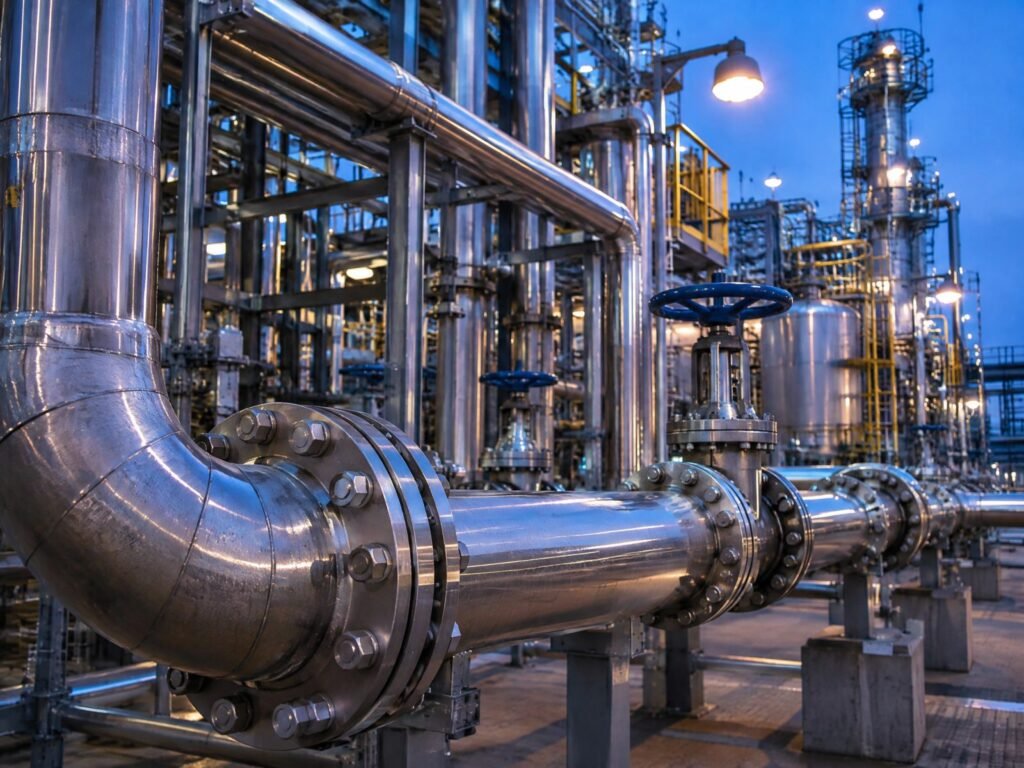
Reactors, heat exchangers, tanks, pumps and pipework in chemical and petrochemical plants rely on a few fastener types:
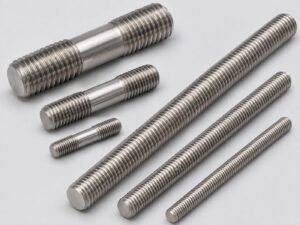
- Studs with two nuts for flange joints. A stud loads evenly and is easy to replace when a flange is opened for maintenance. See our SS studs range.
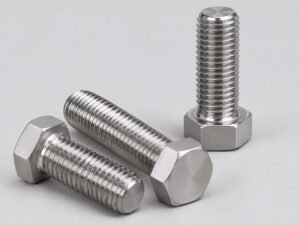
- Hex bolts and nuts for supports, covers, skids and structural frames. See SS hex bolts and SS hex nuts.
- Washers under nuts and bolt heads, which spread the load and protect the flange face.
Why does flange bolting need care in selection?
A flange joint seals because the bolts compress a gasket to a controlled load. If the studs are the wrong length, the wrong strength or are tightened unevenly, the gasket may leak or be crushed. Three points matter:
- Stud length. It must allow full nut engagement at both ends with a little thread showing, accounting for the flange thickness, gasket and washers.
- Thread and nut type. The nut should match the stud thread and be heavy enough for the load. Check what your drawing or flange standard calls for.
- Tightening pattern. Follow the plant procedure, usually a crosswise sequence in stages. This is a site matter, but it influences how well any bolting performs.
How do nuts and washers need to suit the gasket?
Gasket type decides how much bolt load is needed and how the flange face should be protected. Soft gaskets and spiral wound or ring types behave differently, so the load requirement differs. Washers help keep the bearing surface of the nut smooth and consistent, which makes tightening more repeatable. Specify through-hardened or plain washers according to your procedure, and confirm washer outside diameter against the flange spot-face. When in doubt, send the flange drawing and gasket details so the right nut and washer combination can be quoted.
When should I choose SS 316 over SS 304?
SS 316 has molybdenum, which gives better resistance to chlorides and many acids. In chemical plants this often makes it the practical grade for wetted or splash-exposed bolting. SS 304 remains fine for indoor, dry and non-aggressive areas. Our SS 316 fasteners page covers the differences in more detail. Note that some process media still attack stainless steels, and the plant’s materials engineer should confirm suitability for the specific fluid, concentration and temperature.
Also remember that stainless steel is not automatically as strong as high-tensile carbon steel. If the joint is a high-pressure or high-temperature one, confirm the required property class or material specification in writing before ordering.
What should I send with a Vadodara enquiry?
To get an accurate quotation the first time, include:
- Grade (SS 304, 316 or 202) and the standard or specification required
- Diameter, thread pitch, length, nut type and washer details
- Quantity and whether metric or inch
- Any documents needed, such as a material test certificate, which is available on request
Review our standards page for the specifications we commonly work to. If the part is not in a standard catalogue, our custom fasteners service handles made-to-drawing items. For local details, see our Vadodara page.
How do I avoid mix-ups between similar-looking parts?
Process plants often hold several bolt sizes and grades in the same store. SS 304 and SS 316 look almost identical, so mix-ups are easy. Ask for packs labelled by grade, size and standard, keep different grades on separate shelves, and check incoming lots against the order and any certificate. Where traceability matters, record the lot against the equipment it went into. A small amount of discipline at receipt saves a costly shutdown later, because a wrong-grade stud found after assembly means opening the joint again.
Frequently asked questions
Why use studs instead of bolts on flanges?
Studs with a nut at each end load evenly and are replaced individually without disturbing the threaded hole. They are the usual choice for process flanges.
Can SS 304 studs be used in a chemical plant?
In dry or mild areas, yes. Where fluids, vapours or washdown contain chlorides or acids, SS 316 is normally preferred, subject to your process engineer’s confirmation.
Do you supply studs cut to length?
Yes, studs can be made to the length and thread your drawing requires. Provide the dimensions and quantity.
Can I get a material test certificate?
Yes, on request. Mention it when you enquire so it is planned with the order.
Ready to move ahead? Send your drawing, sample or size list and request a quote. You can also call +91 89196 74214 or write to ayrssnutbolt@gmail.com, and our team will reply with the details in the quotation.