Short answer: Australian buyers can import metric stainless steel fasteners from India, and should choose SS 316 for coastal and marine use, insist on packing built for a long sea voyage, and start with a trial order before committing to volume. That sequence keeps risk low while you test the supplier.
Is metric the right standard for Australia?
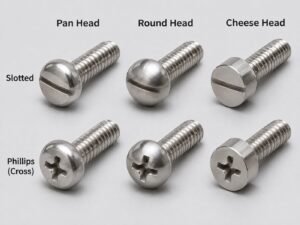
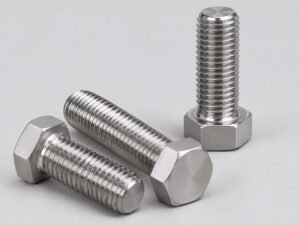
Australia is a metric market, so metric nuts, bolts, washers, screws and studs are the normal supply. We work to DIN and ISO dimensions, including DIN 931/933 hex bolts, DIN 934 nuts, DIN 912 socket head cap screws, DIN 125 washers and ISO 4014/4017/4762, and we can also supply inch-series where older imported equipment needs it. Put the standard and size on every line of your enquiry. Our standards page gives the full list, and the products page shows the range.
Which grade handles coastal and marine corrosion?
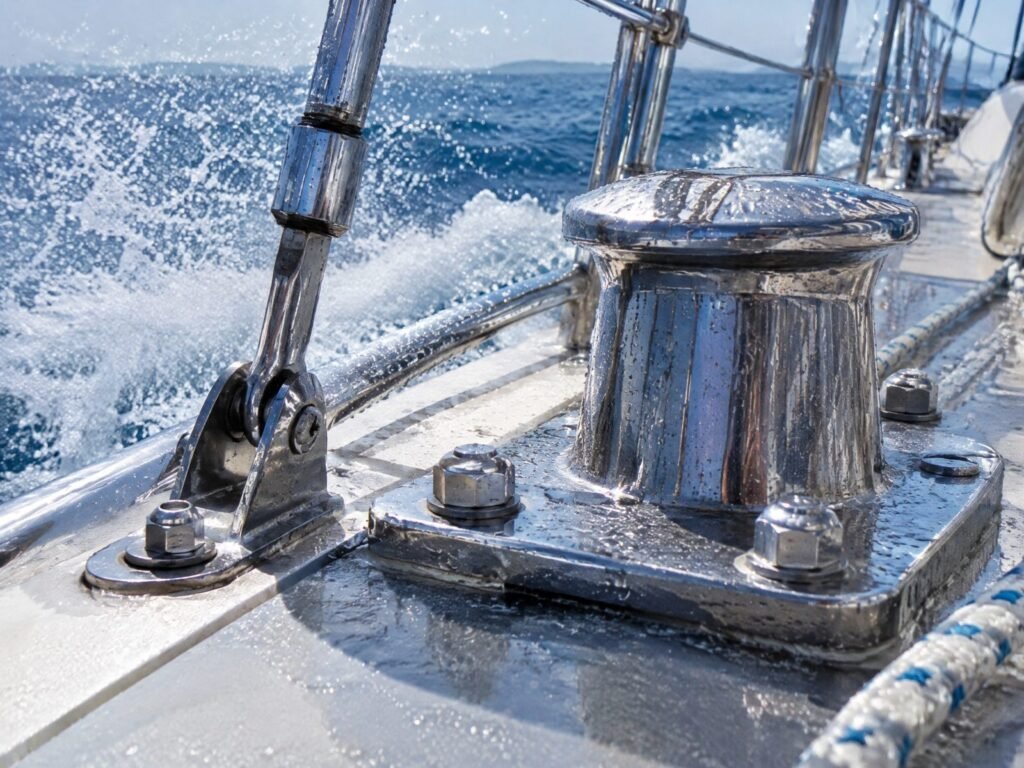
A large share of Australian population and infrastructure sits near the coast, so salt-laden air and splash zones are routine. For these conditions SS 316 fasteners are the usual specification, as 316 resists chlorides better than 304. For inland, sheltered or indoor use, SS 304 fasteners are often adequate. SS 202 is available for lighter-duty use but is not the right choice for marine exposure. Tell us where the fasteners will be installed and we can talk through the grade. Even 316 benefits from good installation practice, such as avoiding contact with dissimilar metals in wet areas.
How should fasteners be packed for a long sea transit?
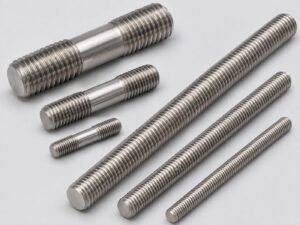
The route from India to Australia is a long sea journey, with handling at several points. Packing should protect against crushed cartons, moisture and mixed-up contents. We pack in cartons, then palletise or crate depending on weight, and mark every carton with size, grade and quantity so goods can be identified on arrival without opening everything. Heavy items such as long studs and large bolts are better crated. Our export packing and shipping page explains the options. We do not promise a transit time, so plan your own buffer stock when you schedule a project.
What paperwork and terms should I expect?
The usual set is a commercial invoice and packing list, with a certificate of origin when required and a material test certificate on request. Fasteners fall under HS heading 7318. Australian import requirements, duties and any inspection rules should be confirmed by you or your customs broker, because we cannot quote them. We can offer EXW, FOB, CFR, CIF or DDP, and ship by sea, air or courier. Read the overall process on our export page.
How do I start with a trial order?
A trial order lets you check material, finish, thread fit, marking and packing at low risk. A sensible approach:
- Send a list of sizes, standards, grades and quantities, or a drawing or sample.
- Ask for a material test certificate if you need traceability.
- Choose air or courier for a small trial lot, or a consolidated sea shipment for a larger one.
- Inspect on arrival and give us your feedback before the main order.
Small trial orders are possible. For the regional page, see supplying stainless steel fasteners to Australia, and our quality page for how we check goods.
What else affects performance in coastal installations?
Grade is only part of the story. Even 316 fasteners last longer when installed with care. Avoid trapping water in crevices, keep stainless away from direct contact with carbon steel or aluminium in wet conditions where possible, and use compatible washers. Overtightening stainless fasteners can also cause thread galling, so many installers use a suitable lubricant or anti-seize compound on threads.
These are general good practice points rather than guarantees, and your engineer should decide what suits each site. What we can do is supply the grade and size you specify, marked and packed so you can tell lots apart at the other end.
If you resell to installers, share these tips with them; a correct specification with poor installation can still give a poor result, and the fastener often gets the blame.
When you receive the trial lot, check the grade and marking, measure a sample of each size, and test fit on a mating part before you release the rest of the stock to customers.
Frequently asked questions
Should I always buy 316 for Australia?
No. Use 316 near the coast, in marine and wet chloride-prone areas. For sheltered or indoor use, 304 can be adequate. Match the grade to the environment.
Can you make non-standard sizes?
Yes, we make to drawing or sample, so special lengths or threads can be quoted.
Can you ship by air for a small first order?
Yes, sea, air or courier is possible. Small lots are usually better suited to air or courier.
To begin, send your requirement for a quotation or contact us on +91 89196 74214 or ayrssnutbolt@gmail.com.