
Short answer: A dome nut, also called a cap nut, is a hex nut with a closed rounded top that covers the end of the bolt. It protects the thread from damage and dirt, gives a neat finish and keeps a sharp bolt end away from hands. We list stainless steel dome nuts in SS 304 from M3 to M24 and SS 316 from M4.
What is a dome nut and why use one?
A dome nut has a standard hexagon base that you tighten with a spanner and a smooth, domed cap above it. The cap hides the end of the bolt, so the joint has a clean look and the exposed thread is sealed from the outside.
Typical reasons to specify one:
- Thread protection: the cap shields the bolt end from knocks, dust and weather, and stops threads being damaged if the assembly is moved or stacked.
- Safety: a bare thread end can scratch or cut. The rounded cap removes that hazard on handrails, furniture, playground and sports equipment, kitchen equipment and machine covers.
- Appearance: a polished or bright stainless finish suits visible joints on architectural work, signage, vehicles and appliances.
See the range on our stainless steel dome nuts page.
Where are dome nuts used?
You will find them wherever a bolt end is visible or reachable: balustrades and railings, benches, signage frames, light fittings, kitchen and food-area equipment, trailers and machine guards, marine and boat fittings, and fabricated stainless furniture. They are not generally used for structural joints where you need to inspect the thread engagement.
How do I choose the right dome nut size?
- Match the thread: the nut size must equal the bolt size, for example M10 for an M10 bolt.
- Check the bolt length: the cap has an internal space, but the thread is blind at the top. Ensure the bolt will not bottom out in the cap before the nut seats on the joint. Trim the bolt or choose a shorter one if needed.
- Allow for the spanner size: the hex base is the same idea as a plain hex nut, so use the matching spanner. Our hex nut pages show how the standard sizes work.
- Consider a washer: a flat washer under the nut spreads the load and protects the surface, especially on paint or soft sheet.
Sizes in SS 304 run from M3 up to M24. In SS 316 they begin at M4. If you need a size or thread pitch not on the list, ask through an enquiry.
Which grade is right, SS 304 or SS 316?
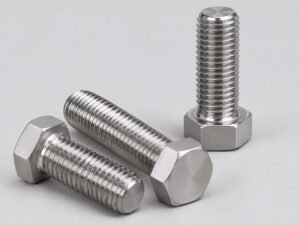
SS 304 (A2-70) is the usual choice for indoor use, general outdoor work and food areas. SS 316 (A4-70) is better for marine air, coastal sites, swimming pool areas and chemical exposure, because it resists chloride attack more strongly. Our comparison of SS 304 vs SS 316 fasteners gives more detail. Match the nut to the bolt grade; see our hex bolts.
Any cautions when tightening stainless dome nuts?
Stainless threads can gall, which means the nut and bolt seize as the surfaces cold-weld under pressure and heat. Tighten steadily rather than with a high-speed impact driver, keep the threads clean and, where the job allows, apply a suitable lubricant or anti-seize. Our guide on how to prevent galling in stainless steel fasteners explains the method. Do not overtighten: the cap is a cosmetic and protective feature and does not make the nut stronger.
How do dome nuts compare with plain hex nuts?
A plain hex nut leaves the bolt end exposed, which is fine inside a machine but poor on anything people touch or see. A dome nut costs a little more in material and needs slightly more bolt clearance inside the cap, but it protects the thread, keeps moisture and dirt out of the bolt end and gives a finished appearance. Where the bolt end is hidden, a plain nut is usually enough. Where it is visible, reachable or likely to catch clothing or skin, the dome nut is the better specification. Always check that the bolt is not so long that it hits the inside of the cap before the nut is fully seated.
Frequently asked questions
Are cap nuts and dome nuts the same thing?
Yes, the two names are used for the same product: a hex nut with a closed, rounded top. Some buyers also use the name acorn nut.
Can a dome nut replace a lock nut?
No. A plain dome nut does not lock against vibration. If the joint is shaken in service, add a lock washer or use a locking nut elsewhere in the assembly.
How long should the bolt be for a dome nut?
The bolt should pass through the joint and engage the nut fully but stop short of the inside of the cap. Measure the cap depth and the joint thickness before ordering, or send us your drawing.
Do you supply other nut types too?
Yes. Browse our complete stainless steel fastener range or read about our quality process.
Ready to specify? Send your sizes, grade and quantity through the request a quote page, call +91 89196 74214 or email ayrssnutbolt@gmail.com and our team will respond with a quotation.