Short answer: For shipyard, port and coastal work around Kochi, SS 316 is generally the grade to start with, because its molybdenum content resists chloride attack better than SS 304. Even so, it needs correct tightening, compatible materials and good handling to last in salt-laden air and splash zones.
Why is SS 316 preferred for coastal and marine fasteners?
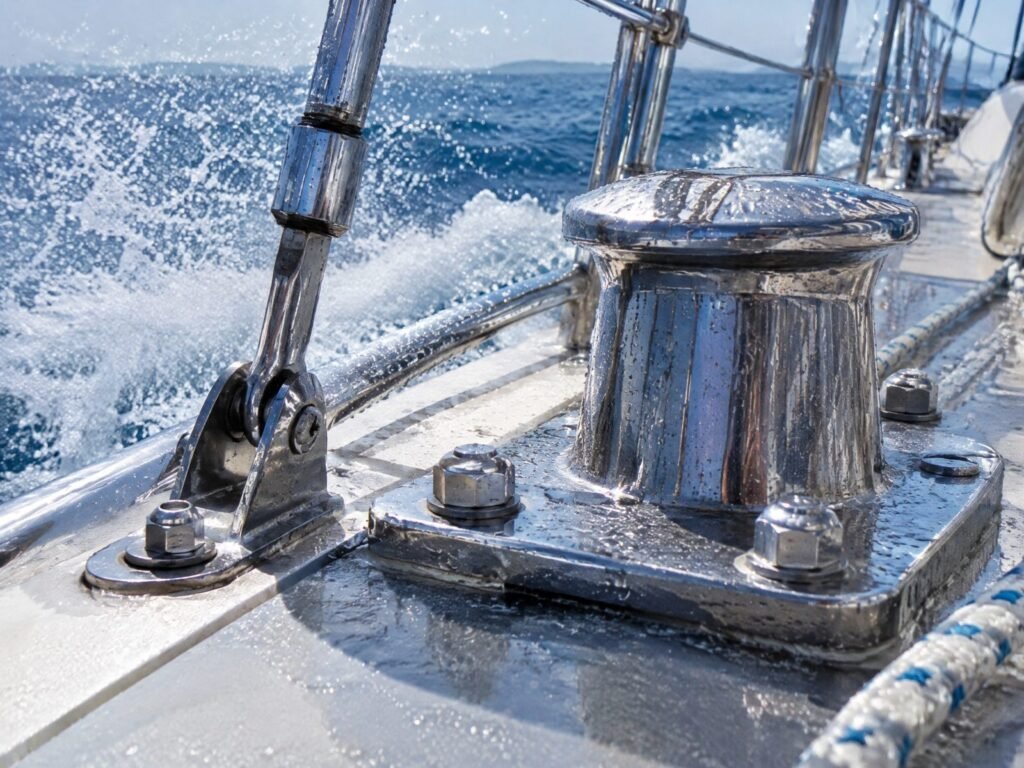
Kochi’s humid, salt-laden air attacks plain steel and can cause pitting or staining on SS 304. SS 316 offers better resistance to chlorides, so it is the common choice for exposed deck fittings, railings, brackets, port equipment, jetty fittings and outdoor structures near the water. You can read the grade details on our SS 316 fasteners page. Our marine and offshore page explains where these fasteners are typically used.
SS 316 is not immune. Fasteners in constant immersion, in tight crevices or in stagnant seawater can still corrode, and some marine applications call for other materials altogether. Check the design requirement for submerged service.
Is SS 304 ever acceptable near the coast?
For sheltered indoor areas, such as inside enclosed machinery rooms or offices, SS 304 can be adequate. In open air near the shoreline, it may show surface rust staining earlier. When the cost of a failure or of repeated replacement is high, SS 316 is a safer default. Compare the two on our SS 304 fasteners page.
How do I stop stainless fasteners galling?
Galling is a seizing of the thread surfaces under load. Stainless steels are more prone to it than carbon steel, especially when tightened quickly or dry. These habits help:
- Tighten at a moderate speed and avoid power tools running at full speed.
- Use a suitable lubricant or anti-seize compound on the threads, where permitted by the job.
- Keep threads clean and free of grit and weld spatter.
- Do not reuse badly damaged fasteners.
What does torque mean for stainless fasteners?
Stainless steel fasteners are generally lower in strength than high-tensile carbon steel ones, and their friction behaviour differs, so torque values from a carbon steel chart should not be copied across. Lubrication changes the relationship between torque and clamp load considerably. Use the tightening values given by the design or the equipment maker, and check the property class under ISO 3506 for the part you are buying. If you are unsure, ask the project engineer.
What finish and handling should I ask for?
Stainless parts are normally supplied in a clean, bright condition. Ask about surface finish if your application is sensitive, and tell us whether you want passivated or pickled parts. Keep them away from carbon steel tools and grinding dust, since iron particles can cause rust spots on the surface. For parts that must match a specification, state the dimensional standard such as DIN or ISO, and confirm whether a material test certificate is needed. See the standards we work to.
How do I place an enquiry from Kochi?
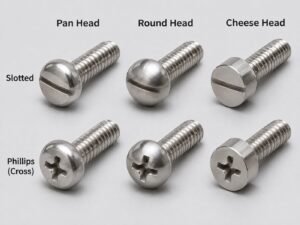
List the grade, standard, diameter, length, thread, head type and quantity. For special sizes, send a drawing or sample and we can make to order. Our Kochi page explains how enquiries from the area are handled, and the full range shows the sizes and types.
How should I store and handle parts before fitting?
Fasteners can pick up contamination before they reach the job. Store them in their packs, in a dry place off the floor, and avoid contact with carbon steel dust from grinding or cutting nearby. Use clean tools, preferably stainless or dedicated ones, and keep the packs closed until needed. If parts get wet with salt spray during storage, rinse them with fresh water and dry them. Good handling is inexpensive, and it protects the corrosion resistance you paid for when choosing SS 316.
What are the common mistakes in coastal fastener buying?
The first is choosing by price alone and ending up with SS 304 or SS 202 where SS 316 was needed. The second is mixing grades in one assembly, so a corroding nut spoils an otherwise sound bolt. The third is ignoring thread condition: rolled, clean threads and correct fit reduce galling and make tightening more consistent. Write the grade, standard and finish into the order so the supplier and your site team work from the same description.
Frequently asked questions
Is SS 316 fully rustproof at sea?
No. It resists corrosion far better than carbon steel and SS 304 in chloride environments, but crevices, immersion and contamination can still cause problems.
Can I mix SS 316 bolts with aluminium or steel parts?
Dissimilar metals in wet, salty conditions can cause galvanic corrosion of the less noble metal. Use isolating washers or sealant where the design allows.
Do you supply to drawing?
Yes, made-to-order to drawing in SS 304, 316 or 202.
Ready to move ahead? Send your drawing, sample or size list and request a quote. You can also call +91 89196 74214 or write to ayrssnutbolt@gmail.com, and our team will reply with the details in the quotation.