
Short answer: To import SS fasteners from India to Kuwait with confidence, write the specification into the purchase order: standard number, grade, size, finish and the certificate required. Project buyers and distributors have different needs, but both benefit from clear line items and an approved sample. SS 316 is generally chosen for chloride and process exposure, and 304 for sheltered use.
What do Kuwait oil and gas, construction and process buyers need?
Kuwait’s demand is driven by oil and gas facilities, refining and process plants, power and water utilities, and building and infrastructure projects. Stainless fasteners go into pipe supports and flanged joints, instrumentation and cable support, equipment skids, cladding and handrails, and maintenance of existing plant. Studs and nuts, hex bolts, socket screws and washers account for a large share, in both metric and inch sizes.
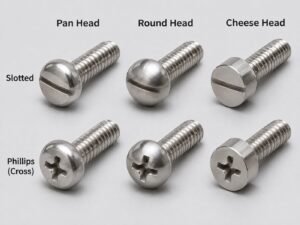
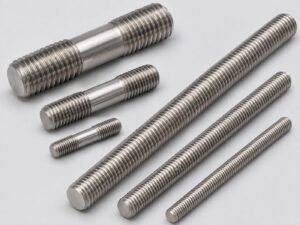
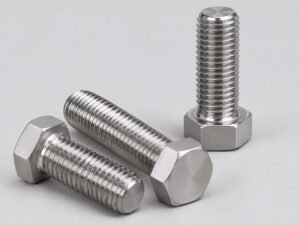
We supply SS 304, 316 and 202 nuts, bolts, washers, screws and studs, and can produce parts to drawing. The product range shows the forms available, and the standards page lists the DIN, ISO, BS and ASTM references we work to.
How do project buyers and distributors differ?
The two groups buy differently, and it helps to be clear about which you are.
- Project buyers and contractors order against an approved material specification, often with a consultant or client reviewing submittals. They need documents that match each PO line, and they cannot accept substitution.
- Distributors and traders buy a wide mix of common sizes to stock or to resell, so they care most about correct marking, clean carton separation and consistent supply of the same article.
If you are a project buyer, send the specification clause and any approved vendor data with your enquiry. If you are a distributor, send a size list with one line per item and say how the goods will be repacked or resold.
How do I choose between 304 and 316 for Kuwait conditions?
Kuwait combines heat, dust, humidity near the coast and chloride-bearing air. The practical rule is the same as elsewhere in the Gulf:
| Condition | Usual choice |
|---|---|
| Indoor, air-conditioned, sheltered | SS 304 |
| Coastal, outdoor process areas, wash-down, chloride exposure | SS 316 |
| Dry, non-critical interior parts | SS 202 may be considered |
316 resists chlorides better than 304 but is not immune, and aggressive or high-temperature process duties may call for other materials. Your process or materials engineer should make that call. For all stainless, use anti-seize at assembly to limit galling and avoid wet contact with carbon steel without isolation.
What does specification and certificate discipline mean in practice?
Most disputes on fastener supply come from vague descriptions, not from bad material. To avoid them:
- Write the full standard number on each line, for example the DIN or ISO number for metric parts or the ASTM reference for inch parts, plus grade and property class where relevant.
- Say whether you need a material test certificate and whether it must be traceable to the batch supplied.
- Do not allow substitutions of grade, standard or size without written approval.
- Check marking on the head of bolts and screws, and the carton marking, against the PO on receipt.
- Retain a sample from each approved lot for comparison with later deliveries.
We provide a commercial invoice and packing list with each shipment, a certificate of origin when required, and a material test certificate on request. Our checks are outlined on the quality page. Fasteners fall under HS heading 7318, but please confirm classification and import requirements with your customs broker or clearing agent.
How are orders packed and what trade terms can be quoted?
Export packing is in cartons, on pallets or in crates, with each pack marked with size, grade and quantity. We can quote EXW, FOB, CFR, CIF or DDP. Many project buyers with an appointed forwarder choose FOB or EXW; others prefer CIF or CFR. See export packing and shipping, the export overview and the Kuwait page for further detail.
What should I check when the goods arrive?
Receiving inspection is where good specification discipline pays off. Compare carton marking with the packing list and the PO, then open a sample carton and check head marking, size and thread fit with your gauges. Confirm the grade on any certificate matches the grade ordered, and that quantities agree with the packing list. Store each size and grade in its marked carton, away from carbon steel dust. If anything does not match, report it promptly with photographs and the carton marking so it can be traced to the lot. Keeping these records also helps when a consultant or client audits your material file later.
Frequently asked questions
Can you supply to a project specification?
Send the specification clause with your enquiry and we will confirm what can be supplied against it. Do not assume a standard is interchangeable with another.
Can certificates be arranged for each batch?
A material test certificate can be supplied on request. Tell us at enquiry stage if you need it by batch.
Do you supply studs and nuts for flanges?
Yes. Give the standard and grade your specification requires, with diameter, length and thread.
Can distributors order mixed sizes?
Yes. A line-item list is quoted as one consolidated shipment, with packs marked by size, grade and quantity.
Ready to move ahead? Please send your requirement for a quotation with sizes, grade and quantity, or call +91 89196 74214 or email ayrssnutbolt@gmail.com.