
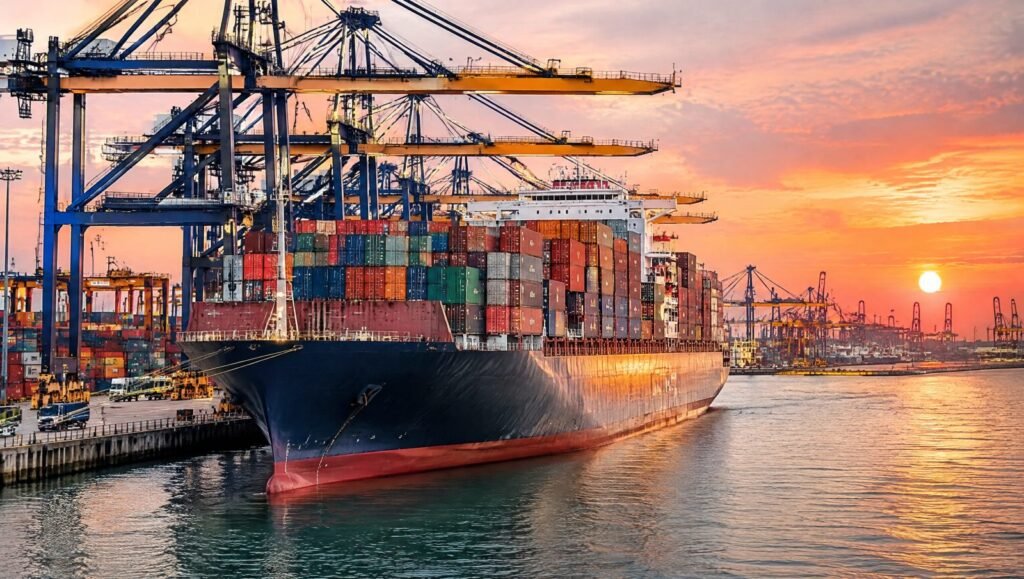
Short answer: To import stainless steel fasteners from India, define your specification, request written quotes from manufacturers, agree the shipping terms and documents, approve samples if needed, arrange sea or air freight, then check the goods on arrival against your order. Doing the specification and document steps properly avoids most problems.
India supplies stainless steel nuts, bolts, washers, screws and studs to buyers around the world. The process is straightforward when you break it into stages. This guide explains each one in the order you will meet it.
What are the steps to import fasteners from India?
- Write a complete specification.
- Shortlist manufacturers and request written quotations.
- Confirm documents, packing and shipping terms.
- Approve samples for custom or critical parts.
- Place the order and arrange freight.
- Clear customs at your end and inspect on arrival.
What should your specification include?
A complete specification lets a manufacturer quote accurately and confirm availability. Missing details are the main cause of wrong shipments.
- Product: hex bolt, nut, washer, screw or stud.
- Grade: for example SS 304 or SS 316. See SS 304 fasteners and SS 316 fasteners.
- Size and thread: metric or inch, pitch, length, full or partial thread.
- Standard: such as ISO, DIN or ASME.
- Property class: for example A2-70 or A4-80.
- Quantity and packing needs.
How do you choose a manufacturer to buy from?
Prefer a manufacturer with its own production unit that can answer technical questions in writing. Ask the same questions of every supplier and compare answers, not only prices. Our guide to stainless steel fastener manufacturers in India lists what to ask. Also see how we work with overseas buyers on our export page.
Which shipping options are available?
Sea freight suits larger and heavier consignments and is usually the lower cost per kilogram. Air freight suits urgent or small consignments. Fasteners are dense, so weight drives freight cost. Ask the supplier to confirm export-ready packing suited to your chosen mode.
| Option | Best for | Consider |
|---|---|---|
| Sea freight | Large, heavy orders | Longer transit, plan stock ahead |
| Air freight | Urgent or small orders | Higher cost per kilogram |
| Courier | Samples and very small parcels | Weight and size limits apply |
What do Incoterms mean for you?
Incoterms define who pays for and carries risk at each stage of transport. Common terms in fastener trade include EXW, FOB and CIF. Under FOB, the seller delivers the goods on board the vessel at the Indian port and you arrange the main freight. Under CIF, the seller arranges freight and insurance to your destination port. Agree one term in writing and make sure quotes from different suppliers use the same one.
Which documents are usually needed?
Typical export paperwork includes a commercial invoice, a packing list and a transport document such as a bill of lading or air waybill. Some countries also ask for a certificate of origin. Projects may additionally require material or inspection reports. Because requirements differ, ask the supplier which documents it can provide before you order. We confirm this with every enquiry.
| Document | Purpose |
|---|---|
| Commercial invoice | Value and description for customs |
| Packing list | Contents, quantities and weights per carton |
| Bill of lading or air waybill | Proof of shipment and transport contract |
| Certificate of origin | Origin declaration, if your country requires it |
| Material or inspection reports | Project or quality requirements, if needed |
How do customs and HS classification work?
Customs authorities classify goods using the Harmonized System. Screws, bolts, nuts and washers of iron or steel are generally found under heading 7318, but the exact subheading and the duties and taxes that apply depend on your country. Check the classification and import rules with your customs broker or local authority before shipping. Do not rely on a figure quoted by anyone else.
How do you manage quality risk?
- Fix the grade, standard and property class in the order.
- Approve a sample for custom parts before bulk production.
- Ask how parts are separated and labelled by size and grade.
- Inspect markings and dimensions on arrival against the order.
- Start with a modest first order to test the supplier. More on this in our quality notes.
What should you check on arrival?
Check carton labels against the packing list, count cartons, and sample-check size, thread, head markings and finish. Report any difference to the supplier promptly with photos. Keep parts dry and separated by grade to avoid mix-ups in storage.
How long should you plan for the whole process?
Timing varies with the product, quantity and shipping mode, so ask the supplier for a written estimate that matches your order instead of relying on a general rule. Build in time for sample approval on custom parts, for customs clearance at your end and for any inspection you plan to carry out. Ordering earlier than you strictly need is the simplest way to avoid pressure.
How can you reduce mistakes with a new overseas supplier?
Communicate in writing and keep a single reference document for the specification. Ask the supplier to repeat the specification back in the order confirmation. Use clear part names and standards, and avoid abbreviations that differ between regions. Photos of the packed goods before dispatch can also help you check labelling.
Key takeaways
- Start with a complete written specification of grade, size, standard and property class.
- Compare quotes only on the same specification and the same Incoterm.
- Choose sea freight for bulk and air for urgent small orders.
- Ask which documents the supplier can provide before ordering.
- Confirm HS classification and import rules locally.
Ayr SS Nut Bolt manufactures stainless steel fasteners in India and ships worldwide with export-ready packing for sea or air. Send your specification through the enquiry page and we will confirm availability, standards and documents before you order.
Related products and guides
Frequently asked questions
Should I buy fasteners from India on FOB or CIF terms?
Under FOB the seller delivers goods on board at the Indian port and you arrange the main freight. Under CIF the seller arranges freight and insurance to your port. Choose one, agree it in writing, and make sure all quotes use the same term.
Is sea or air freight better for stainless fasteners?
Sea freight suits large, heavy orders and is usually lower in cost per kilogram, though transit is longer. Air freight suits urgent or small consignments at a higher cost per kilogram. Fasteners are dense, so weight drives freight cost.
Do I need samples before importing custom fasteners?
For custom or critical parts, approving samples first is advisable so dimensions, grade and finish are checked before the full order is produced. Standard catalogue parts may not need it. Samples can go by courier, subject to weight and size limits.
What should I check when the fastener shipment arrives?
Check the goods against your order and packing list: grade and head markings, size and thread, quantity, labels and any agreed documents. Test thread fit on a sample and report any difference promptly. Send your requirement for a quotation.
Related pages
Write a full specification, request written quotes from manufacturers, agree packing, documents and shipping terms, approve samples if needed, then place the order and arrange sea or air freight. On arrival, clear customs and inspect the goods against your order.
Usually a commercial invoice, packing list and bill of lading or air waybill, plus a certificate of origin if your country asks for it. Projects may need material or inspection reports. Ask the supplier which documents it can provide before ordering.
Sea freight is usually cheaper per kilogram and suits large, heavy orders. Air freight suits urgent or small consignments but costs more. Fasteners are dense, so weight drives cost. Choose by order size and how soon you need the goods.
Yes, many Indian manufacturers make custom parts against a drawing. Send the drawing, grade and quantity, and ask the manufacturer to confirm in writing what it can make. Approve a sample before bulk production to avoid costly errors.